Best Time to Visit Ladakh: Month-by-Month Weather, Road Conditions & Travel Tips
Find the best time to visit Ladakh with a month-by-month guide to weather, road access, packing, acclimatisation and practical trip-planning tips.
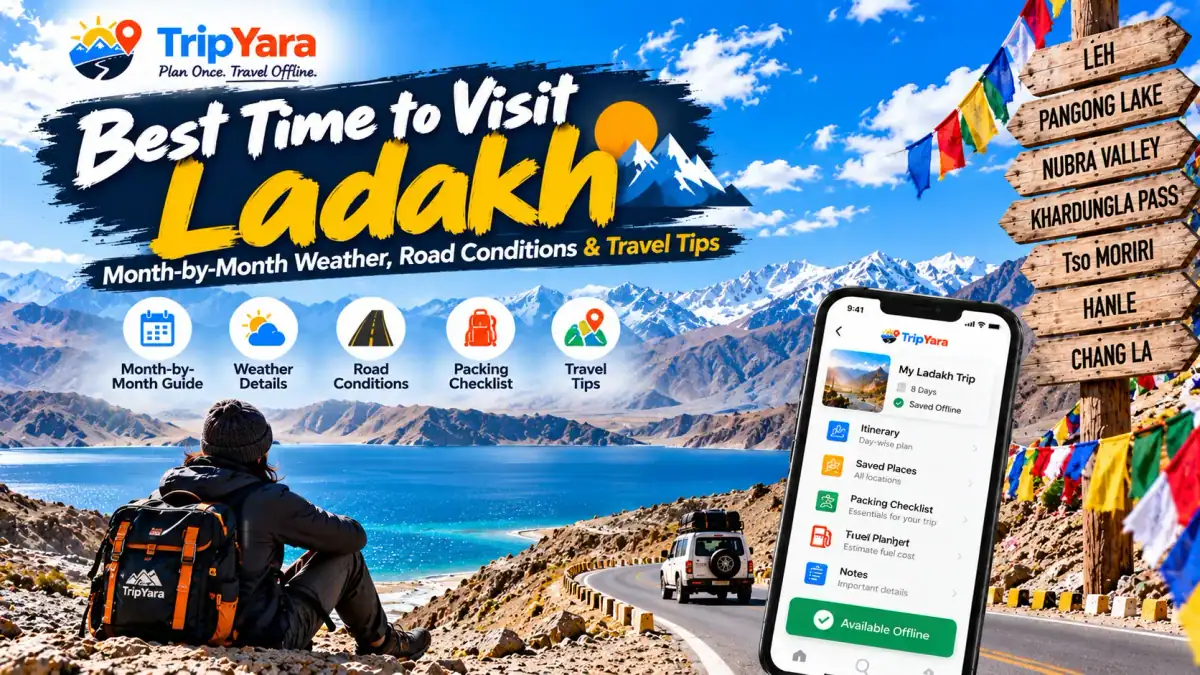
When Is the Best Time to Visit Ladakh?
The best time to visit Ladakh depends on what you want from the trip. Many travellers prefer the warmer travel season, roughly from June to September, when popular routes and attractions are generally more accessible. However, conditions vary by year, altitude and route. Snow, landslides, road closures and sudden weather changes can affect travel at any time.
If you want to ride or drive through high mountain passes, plan around current road conditions rather than relying only on a calendar. If you prefer fewer crowds and don't mind colder weather or limited services, shoulder-season travel may be possible with careful preparation.
Important: This guide is for planning, not a live road-status report. Confirm current route openings, permits, weather alerts and local advisories before departure.
Ladakh Month-by-Month Guide
January and February: Deep Winter
Ladakh is extremely cold in winter, especially at night and at high elevations. Snow and ice can affect roads, while some routes and services may be unavailable or disrupted.
Consider these months if: you are an experienced winter traveller, have a locally informed plan and are prepared for cold-weather conditions.
Plan for insulated layers, winter footwear, flexible dates, backup accommodation and current local advice. Avoid remote drives without reliable guidance.
March: Winter Conditions Continue
March can still feel like winter. Daytime conditions may begin to change, but nights remain cold and mountain routes can be affected by snow or ice. Confirm what is open and how you will travel between destinations; do not assume summer road-trip routes are available.
April: A Transition Month
April is a transition period. Leh may start to feel more comfortable during sunny hours, but high-altitude areas can remain cold and snowbound. Some businesses and sightseeing options may have limited seasonal operations. Build a flexible itinerary, pack for winter-like conditions and verify access to every planned stop.
May: Conditions Begin to Improve
May can be a useful time to start planning a Ladakh trip, but access via high mountain roads depends on snow clearance and official decisions. Conditions can differ significantly between routes and years.
Before you go, check the latest status of the Manali–Leh and Srinagar–Leh routes, confirm whether your chosen passes and attractions are accessible, keep extra time for delays and acclimatisation, and don't treat a previous year's opening date as a guarantee.
June: A Popular Road-Trip Period
June is often part of the main travel season. Many travellers plan road trips during this period, but high-altitude roads can still be affected by weather, maintenance or temporary closures. Confirm that your specific routes are open. Carry warm layers even if the sun feels strong during the day; mountain temperatures can drop quickly after sunset.
July: Busy Season and Changing Mountain Weather
July is a popular month for Ladakh travel. Many routes may be accessible in a typical season, but rain elsewhere in the Himalayas can trigger landslides, delays or road disruptions on connecting routes.
Keep buffer days, check weather and road updates before long drives, carry water and snacks, and avoid rushing to reach a high pass before conditions are confirmed safe.
August: Peak Travel with Weather Checks
August can offer long daylight hours and access to many popular places in a typical season. Watch for weather-related disruptions, especially on roads approaching the region. Book essential stays in advance during busy periods, but keep your route plan flexible enough to handle delays.
September: Cooler Weather and a Seasonal Shift
September is often attractive to travellers who prefer cooler conditions. Nights can become colder, and services or transport options may begin to change as the season progresses. Confirm the status of remote stays, transport connections, passes and high-altitude excursions. Carry warm clothing and don't assume all summer services will remain available.
October: Cold Returns
October brings colder nights and a greater chance of weather-related changes at high elevations. Some facilities may reduce their operating schedules, and road access can become less predictable as winter approaches. Verify the latest conditions and have a backup plan.
November and December: Winter Planning
By late autumn and winter, severe cold and snow can affect travel plans. Some road routes may close seasonally, and remote areas may have fewer services. Choose winter travel only after checking transport, accommodation, local support and the specific places you intend to visit. Do not rely on a summer itinerary for a winter journey.
Which Month Should You Choose?
| Your priority | Months to consider | Keep in mind |
|---|---|---|
| A classic Ladakh road trip | June–September | Verify road openings and current conditions |
| Cooler travel weather | September or suitable shoulder-season dates | Nights can be cold and services may be seasonal |
| Fewer crowds | Shoulder-season dates | Fewer services and less predictable access are possible |
| Winter scenery | Winter months, with specialist preparation | Extreme cold, closures and limited support can make travel challenging |
| High mountain passes | Only when officially accessible | Opening dates vary; never assume access |
These are general planning windows, not guarantees of weather or access.
Road Access: Check Both Main Approaches
Many travellers reach Ladakh by air to Leh or plan a road journey via the Srinagar–Leh or Manali–Leh route. The best option depends on the season, current road status, your starting point and how much time you have.
Before setting off by road:
- Check the latest official road and weather updates.
- Confirm whether the full route is open, not just the first section.
- Check fuel availability and identify sensible overnight stops.
- Keep spare time for delays, especially on mountain roads.
- Avoid driving through snow, landslides, flooding or poor visibility.
- Share your route and expected arrival times with someone you trust.
A route shown on a map does not necessarily mean it is safe or currently passable.
Acclimatisation: Give Your Body Time
Leh and many Ladakh destinations are at high altitude. Travellers arriving from lower elevations may experience altitude sickness symptoms, including headache, nausea, dizziness or unusual fatigue.
Plan a quiet arrival day and follow current medical guidance on acclimatisation. Avoid strenuous activity immediately after arriving at altitude, stay hydrated, avoid alcohol during initial acclimatisation, and ascend gradually where possible. If symptoms worsen, do not continue ascending; seek medical help promptly.
Severe breathlessness at rest, confusion, difficulty walking or other serious symptoms require urgent medical attention. This article is not a substitute for professional medical advice.
What to Pack for Ladakh
The right packing list depends on the month and itinerary. Useful basics include:
- Warm layers, including a fleece or insulated jacket.
- Windproof and waterproof outerwear.
- Comfortable shoes with good grip.
- Sunglasses, sunscreen and lip balm.
- Reusable water bottle and personal medicines.
- Power bank, charging cables and a torch.
- Identification and any permits or documents required for your route.
- Offline copies of bookings, emergency contacts and your itinerary.
- Snacks and some cash for areas with limited connectivity or payment options.
For colder months, add suitable winter gear and confirm whether your transport and accommodation are equipped for the conditions.
How to Plan a Ladakh Trip More Reliably
A useful Ladakh plan includes more than a list of attractions. Organise your days around realistic drive times, rest, acclimatisation, fuel stops and the possibility of delays.
Before leaving, save your day-by-day itinerary and accommodation details, download offline maps for expected travel areas, keep emergency contacts and important documents available offline, share your plan with a friend or family member, and recheck weather, route access and local advisories each day.
Plan your journey with TripYara: prepare a day-wise itinerary, organise stops and packing essentials, and keep saved trip information available offline. Create and save the trip before entering areas with weak or no network coverage. Live weather, online search, traffic and some map features still require an internet connection.
Frequently Asked Questions
What is the best month to visit Ladakh?
For many first-time visitors, June to September is a common planning window because access to popular routes and places is generally better during the main travel season. Always verify conditions for your specific dates and route.
Can I visit Ladakh in May?
Possibly, but road access and high-altitude attractions depend on snow clearance, weather and official updates. Confirm the exact route status before travelling.
Is September a good time for Ladakh?
September can be a good option for cooler conditions, but nights become colder and some services may change seasonally. Check accommodation and road access before you go.
Can I drive to Ladakh in winter?
Winter road travel can be severely affected by snow, ice, extreme cold and seasonal closures. Do not attempt a route without confirming current access and getting reliable local guidance.
How many days should I plan for Ladakh?
The right duration depends on your arrival method, route and destinations. Allow time for acclimatisation, travel between places and weather-related delays rather than filling every day with long drives.
Do I need internet throughout the trip?
Not always, but connectivity can be limited in remote areas. Save your itinerary, bookings, maps and emergency information in advance. Live updates and online services need a connection.
Final Checklist Before You Leave
- Confirm dates, route openings and weather alerts.
- Check permits and local requirements for planned areas.
- Arrange accommodation and transport for your season.
- Add acclimatisation and buffer time.
- Check vehicle condition and fuel planning if driving.
- Pack for cold, wind and changing weather.
- Save maps, bookings and your itinerary for offline access.
- Share your plan and emergency contacts with someone you trust.
Ladakh can be an unforgettable journey when you plan around the season, respect the altitude and stay flexible. Check current conditions before departure, and let your itinerary adapt to the mountains—not the other way around.
Ready to plan your next journey? Use TripYara to organise your route, stops, packing checklist and saved itinerary before you head into the mountains.
- #best time to visit ladakh
- #ladakh travel guide
- #ladakh weather
- #ladakh road trip
- #leh travel tips
- #himalayan travel
- #tripyara